
Northern Colorado Spring Yard Prep Month by Month Checklist for a Healthy Landscape

Spring yard prep in Northern Colorado is a little different from spring yard prep in milder places. One week can feel like patio weather. The next can bring snow, hard wind, and a freeze that turns soggy soil into a brick. That stop-and-start pattern makes timing just as important as the work itself.
The goal is not to finish everything the first warm weekend. A healthier approach is to work month by month, matching each task to soil temperature, weather, plant growth, and irrigation needs. This checklist covers debris cleanup, bed edging, sprinkler checks, aeration, mulch, weeds, and planting windows from late winter through early summer.

March sets the foundation before growth takes off
March in Northern Colorado is a transition month. The lawn may still look dormant, but roots and cool-season weeds begin responding to longer days. The biggest mistake is doing heavy work while the soil is wet or frozen.
Remove winter debris without damaging the lawn
Start with a light cleanup once the snow has melted and the turf is firm enough to walk on without leaving footprints.
Focus on:
Fallen branches and twigs from winter wind
Matted leaves in corners, fence lines, and low spots
Trash, gravel, and deicing material near sidewalks and driveways
Broken perennial stems that collapsed over winter
Use a leaf rake rather than a stiff metal rake on the lawn. Dormant grass can pull up easily if the soil is damp. In beds, cut back dead perennial stems to a few inches above the crown, but leave some hollow stems and leaf litter in less visible areas if possible. Beneficial insects often overwinter there.
If leaves are dry and disease-free, chop them with a mower or add them to compost. Thick mats should be removed because they trap moisture and block light.
Freshen bed edges after the soil softens
March is a good time to inspect edges, but not always the best time to cut them deeply. Wait until the soil is workable, not muddy.
Good bed edging starts with a clear line. Use a garden hose or marking paint to define curves before cutting. For most landscape beds, a clean spade-cut edge works well. Cut a shallow vertical edge along the bed, then remove a small wedge of soil from the bed side to create a crisp separation between turf and mulch.
Best practice: Keep curves broad enough for a mower to follow. Tight scalloped edges are harder to maintain and often look uneven by summer.
Watch weeds before they flower
Early weeds often appear in March, especially in sunny gravel, bare soil, and thin turf. Pull small weeds when the soil is slightly moist, making sure to remove the roots.
For lawn weeds, identify the problem before applying any product. Some treatments work before seeds germinate, while others work only after weeds are actively growing. Follow label directions and avoid applying herbicides before snow, heavy rain, or high wind.
Hold off on irrigation startup
Do not turn on the sprinkler system just because a few days are warm. March freezes are common, and pressurized lines or backflow devices can crack if temperatures drop.
Instead, inspect what you can see:
Look for tipped, broken, or missing sprinkler heads.
Check valve boxes for standing water or rodent damage.
Make sure the backflow preventer is still wrapped or protected.
Note dry south-facing areas that may need hand watering.
Young trees, evergreens, and shrubs may need occasional deep hand watering during dry spells if the soil is not frozen. Water slowly at the root zone during the warmest part of the day.
April is the main cleanup and inspection month
April often brings active growth, wind, moisture swings, and unpredictable storms. It is the month for deeper cleanup, edging, weed prevention, and irrigation preparation.
Finish debris removal in layers
By April, most beds can handle a more complete cleanup. Remove the remaining leaves that are smothering crowns, especially around iris, peony, ornamental grasses, daylilies, and groundcovers.
Cut back ornamental grasses before new shoots get tall. Bundle the old blades with twine, then cut several inches above the ground. This keeps cleanup tidy and helps avoid clipping new growth.
In lawn areas, rake only where turf is matted. If the lawn has a thick layer of dead material, check whether it is loose winter debris or actual thatch. Thatch is a tightly woven brown layer between grass blades and soil. A small amount is normal. Thick thatch can block water and air.
Edge beds before mulching
April is usually the best month to cut clean bed edges in Northern Colorado. The soil has often thawed, but summer heat has not arrived.
For clean, lasting edges:
Mark the bed line before cutting.
Use a sharp half-moon edger or flat spade.
Cut straight down along the lawn side.
Remove loose grass roots from the bed.
Smooth soil so mulch will sit below the turf edge.
Avoid piling soil against tree trunks or shrub stems while reshaping beds. Keep the root flare of trees visible. Soil buried against bark can invite rot and pest problems.
Prepare irrigation before startup
Schedule irrigation startup for after the risk of hard freezes has passed. In many Northern Colorado yards, that often means late April into May, but weather should guide the final call.
Before turning the system on, inspect these areas:
Backflow preventer and exposed pipes
Valve boxes and wiring
Sprinkler heads, nozzles, and rotors
Drip lines in shrub beds and vegetable gardens
Controller settings and backup battery
When you start the system, run each zone manually and watch it operate. Look for geysers, clogged nozzles, heads that do not pop up, misting caused by high pressure, and water spraying pavement.
A good irrigation inspection saves water and prevents dry spots before summer heat arrives.
Aerate cool-season lawns when soil is ready
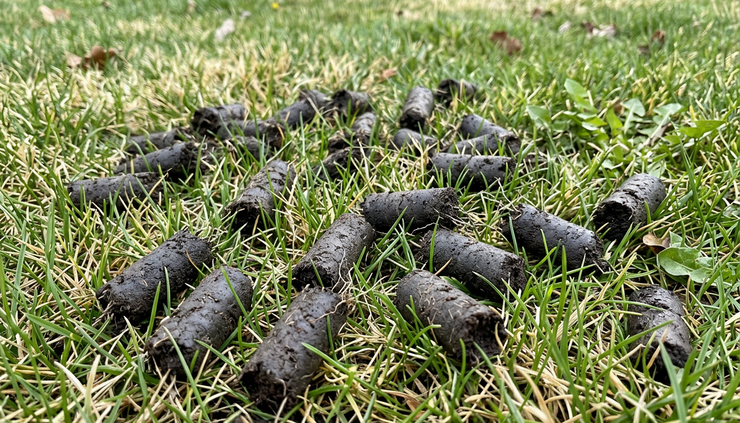
Core aeration helps lawns by removing small plugs of soil, which allows air, water, and nutrients to reach the root zone. It is especially useful in Northern Colorado because many yards have compacted clay or clay-loam soils.
Spring aeration is best when:
The lawn is actively growing
Soil is moist but not muddy
Plugs pull cleanly from the ground
A freeze is not expected immediately afterward
For many lawns, April through early May is a useful spring window. Fall is also an excellent time, especially for cool-season grasses such as Kentucky bluegrass and tall fescue. If the lawn gets heavy foot traffic, spring aeration can help it recover before summer stress.
Leave the plugs on the lawn. They break down naturally and return soil to the surface.
May is for planting, mulching, and water adjustments
May is one of the busiest months for yard prep. Lawns wake up, perennials grow quickly, weeds compete hard, and garden centers fill with plants. The key is to match planting decisions to frost risk and soil temperature.
Clean up what spring storms leave behind
May storms can drop branches, shred early leaves, and wash mulch into lawns or sidewalks. After each storm, do a quick reset.
Pick up broken branches before mowing. Rake mulch back into beds. Clear leaves and seed pods from drainage areas so water can move away from foundations and paths.
If hail damages perennials, wait a few days before cutting everything back. Some leaves may recover enough to keep feeding the plant. Remove only shredded, collapsed, or diseased growth.
Apply mulch after beds are edged and weeded
Mulch works best when it goes over clean soil, not over weeds and messy edges. In Northern Colorado, mulch helps protect soil from drying winds, reduces temperature swings, and limits weed germination.
Use organic mulch such as shredded bark, wood chips, or composted material in most ornamental beds. Apply it in an even layer about 2 to 3 inches deep. Too much mulch can block water and oxygen.
Keep mulch:
A few inches away from tree trunks
Off shrub stems and perennial crowns
Below the top of edging so it does not spill into turf
Thin around plants that prefer drier crowns, such as lavender or penstemon
Refresh older mulch rather than adding a thick new layer every year. If last year’s mulch is still deep, rake it loose and top-dress lightly.
Step up weed management
By May, weeds grow fast. The best strategy is consistency.
Pull weeds when they are small. A weekly walk through beds is easier than a full-day rescue later. For taproot weeds such as dandelions, use a weeding tool after rain or watering so the root releases more easily.
In lawns, improve turf density to reduce weed pressure. Mow at a taller setting, water deeply when irrigation begins, and avoid scalping. Thin lawns invite weeds by leaving sunlight and open soil.
For rock beds, cracks, and paths, remove young weeds before they set seed. If using herbicide, choose the right product for the area and protect nearby desirable plants from drift, especially on windy days.
Plant hardy selections first and tender plants later
May planting in Northern Colorado requires patience. The average timing of last frost varies by elevation and local microclimate, and cold nights can linger.
Good early May choices often include:
Trees and shrubs, if the soil is workable
Cool-season vegetables such as lettuce, spinach, peas, kale, onions, and radishes
Hardy perennials grown outdoors and properly hardened off
Pansies, violas, and other cool-tolerant annuals
Wait until nights are reliably warmer before planting tender annuals and warm-season vegetables. Tomatoes, peppers, basil, beans, squash, cucumbers, zinnias, and marigolds can struggle in cold soil. They grow better when the soil has warmed and frost protection is no longer needed.
If planting earlier, keep frost cloth handy. Avoid using plastic directly on plants because it can transfer cold to leaves.
June is the transition from preparation to maintenance
By June, spring prep should shift into steady care. The yard is actively growing, irrigation matters more, and missed weeds can go to seed quickly.
Keep debris from becoming a pest and disease problem
June debris looks different from March debris. Instead of winter leaves, the main issues are grass clippings, storm damage, spent blooms, and fast-growing weeds.
Leave short grass clippings on the lawn when mowing regularly. They break down quickly and return nutrients. If clippings form heavy clumps, rake them out so they do not smother turf.
Remove diseased leaves from roses, vegetables, and perennials. Do not compost diseased plant material unless the compost pile heats properly. Deadhead flowering plants where it improves appearance or encourages more blooms.
Fine-tune irrigation for warmer weather
Once warmer weather settles in, adjust watering based on plant needs and soil moisture rather than a fixed spring schedule.
Run sprinklers early in the morning. This reduces evaporation and gives leaves time to dry. Watering at night can leave foliage damp for too long, which may encourage disease in some plantings.
Check coverage every few weeks. Mowing, pets, foot traffic, and soil movement can tilt sprinkler heads. Watch for:
Dry arcs along sidewalks
Overspray onto pavement
Low pressure in one zone
Drip emitters that have popped loose
Water pooling near plant crowns
Deep, less frequent watering usually supports stronger roots than shallow daily watering. New plants need more frequent attention until established, but established lawns, trees, and shrubs benefit from deeper soak cycles.
Finish warm-season planting
June is usually a safer month for tender plants in many Northern Colorado yards. Warm soil helps roots grow quickly and reduces transplant shock.
Plant warm-season annuals, herbs, and vegetables when nighttime temperatures are stable. Water new plants deeply after planting, then monitor daily during the first week. Wind can dry small transplants faster than expected.
For perennials, June planting can work well if plants receive regular water and some relief from extreme afternoon heat. Plant early in the day or on a cloudy day when possible.
Avoid planting during hot, windy afternoons. If a plant comes from a shaded nursery area, harden it off gradually before placing it in full sun.

A simple month-by-month checklist
Use this quick checklist to pace the work. Weather can shift the timing by a week or two, especially near the foothills or in exposed plains locations.
Month | Main yard prep focus | What to do |
March | Light cleanup and assessment | Remove branches and matted leaves, inspect beds, pull early weeds, hand water dry evergreens if soil is thawed, keep irrigation off |
April | Edging, aeration, and irrigation checks | Cut clean bed edges, finish perennial cleanup, inspect sprinkler parts, aerate active lawns when soil is moist, prevent weeds before they spread |
May | Mulch, planting, and system startup | Start irrigation after freeze risk drops, apply 2 to 3 inches of mulch, plant hardy perennials and cool-season vegetables, delay tender plants until conditions improve |
June | Warm-season planting and maintenance | Adjust watering for heat, plant tender annuals and vegetables, remove storm debris, keep weeds from setting seed, monitor new plants closely |
Best practices that matter all spring
Some spring yard tasks do not belong to only one month. They work better as habits.
Work when the soil can handle it
If soil sticks heavily to your shoes or tools, wait. Working wet soil causes compaction and damages soil structure. This matters even more in clay-heavy areas along the Front Range.
A simple test helps. Pick up a handful of soil and squeeze it. If it forms a muddy ribbon or slick ball, it is too wet. If it crumbles, it is ready.
Match mulch to the planting area
Beds with shrubs and trees usually do well with wood-based mulch. Vegetable gardens often benefit from compost, straw, or fine organic mulch. Rock mulch can work in some xeric plantings, but it can also increase reflected heat around plants that prefer cooler roots.
Do not mix mulch deeply into soil around established plants. Keep it as a surface layer.
Use aeration as part of lawn care, not a stand-alone fix
Aeration helps compacted lawns, but it cannot solve every problem alone. Pair it with proper mowing, watering, and fertilizing. If bare spots remain after aeration, overseeding may help once temperatures are right and water is available.
Avoid aerating when weeds are full of seed. The process can create open holes where weed seeds settle.
Plant for Northern Colorado conditions
Choose plants that can handle sun, wind, alkaline soils, and temperature swings. Native and well-adapted plants often need less water once established.
Strong choices for many yards include:
Serviceberry, lilac, rabbitbrush, and potentilla for shrubs
Penstemon, yarrow, salvia, coneflower, and ornamental grasses for sunny beds
Lettuce, peas, spinach, kale, and radishes for cool-season vegetables
Tomatoes, peppers, basil, squash, beans, and cucumbers after warm conditions settle in
Group plants by water needs. Thirsty annuals should not share a zone with drought-tolerant perennials if the irrigation cannot be adjusted separately.

The spring yard prep payoff
A healthy yard in Northern Colorado does not come from rushing one big cleanup. It comes from timing each job well. Clean lightly in March, edge and inspect in April, mulch and plant carefully in May, then shift into watering and maintenance in June.
That steady rhythm protects soil, supports roots, limits weeds, and helps new plants settle in before summer heat arrives. Start with the tasks the weather allows, keep an eye on freezes and wind, and your yard will be in a much stronger position for the growing season ahead.


Comments